
January can feel long.
The holidays are packed away, the days are still short, and winter suddenly stretches out in front of us with no clear end in sight. This is usually when homes start to feel a little colder—not just in temperature, but in spirit.
The good news is that warmth isn’t something you have to buy in bulk or overhaul all at once. Often, it’s created through small, intentional choices that invite comfort and steadiness back into daily life.
Here are simple, realistic ways to make your home feel warmer when winter seems determined to linger.
Focus on Light Before Anything Else
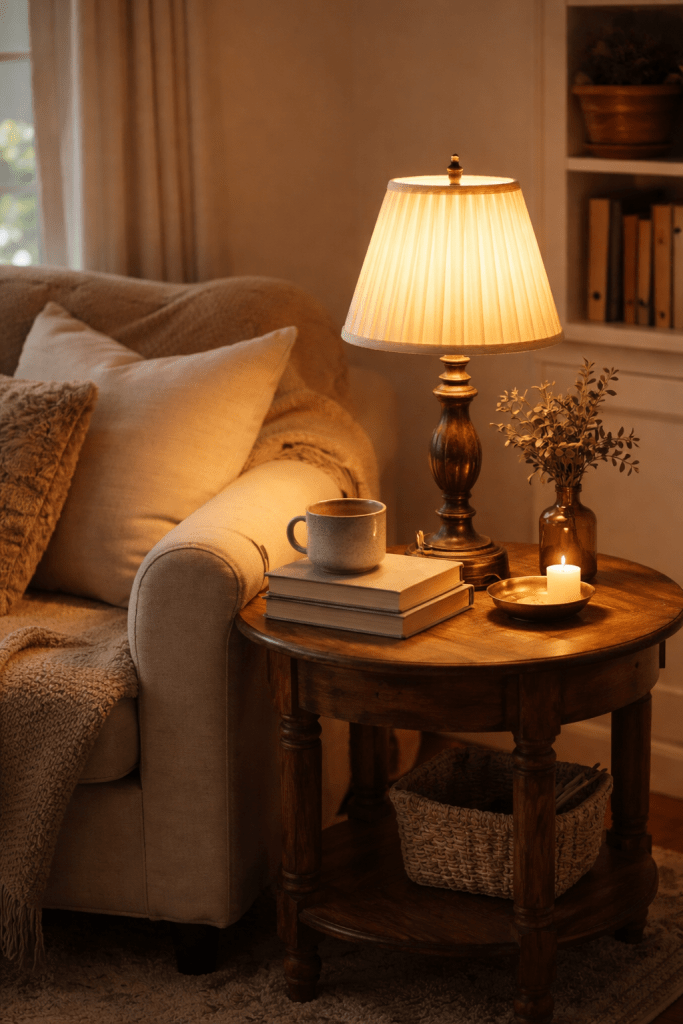
Lighting does more for warmth than almost anything else in winter.
Overhead lighting tends to feel harsh and cold, especially in the evenings. Instead, try creating layers of light throughout your home.
- Table lamps instead of ceiling lights
- Warm bulbs rather than bright white
- Lamps turned on earlier in the afternoon as daylight fades
A softly lit room instantly feels more inviting, even if the temperature hasn’t changed at all.
Create “Warm Zones” Instead of Heating Everything

You don’t need the whole house to feel toasty—just the spaces where life actually happens.
Choose one or two areas and make them intentionally warm:
- The couch where everyone gathers
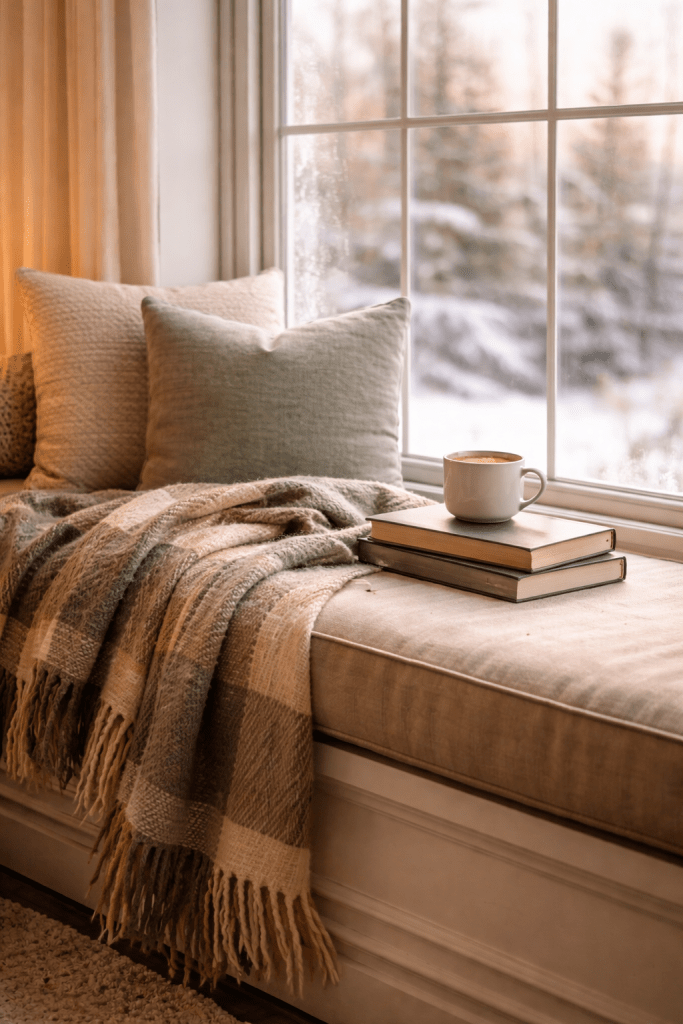
- A reading chair near a window
- The kitchen table during meals
Add:
- Extra throws
- Cushions
- A small rug underfoot
These zones become natural gathering places and help your home feel cozy without fighting the entire season.
Lean Into Texture
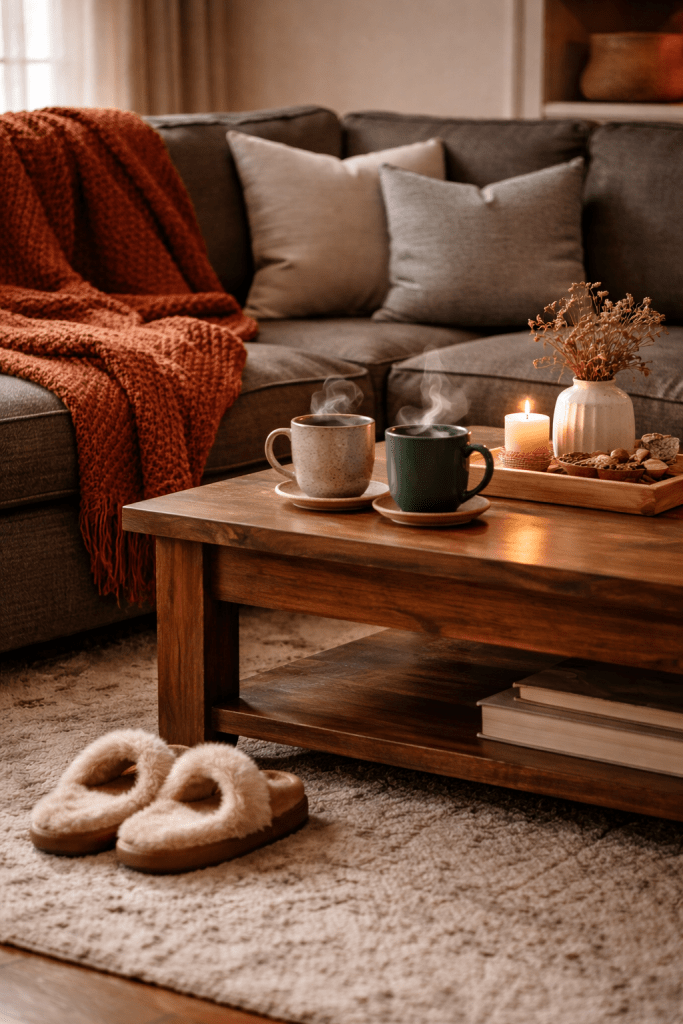
Winter is not the time for sleek and minimal.
Textures soften a home and make it feel lived-in and comforting:
- Knits
- Wool
- Flannel
- Wood
- Stoneware
Even small changes—like swapping pillow covers or setting out heavier mugs—can shift the whole mood of a room.
Let the Kitchen Do Some of the Work

A warm home often starts in the kitchen.
Winter is the season for:
- Baking
- Simmering soups
- Slow, comforting meals
The heat, the smells, and the rhythm of cooking all add warmth that spreads through the house in quiet ways.
You don’t need elaborate recipes. Even something simple—fresh bread, oatmeal, or a pot of soup—can change how your home feels by evening.
Warm the Body to Warm the Space
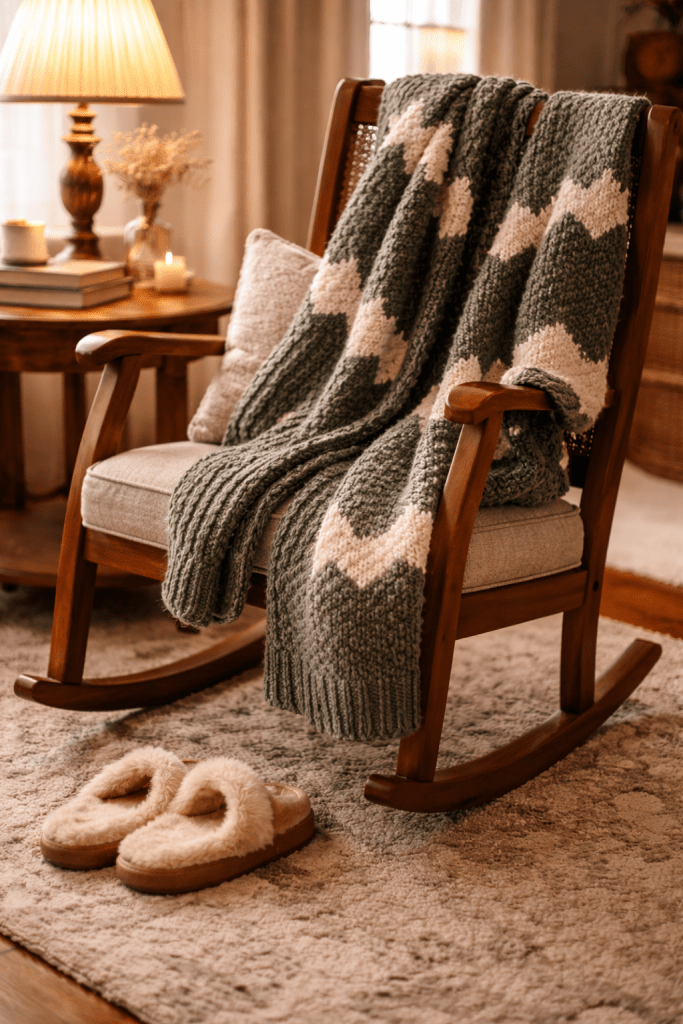
Sometimes a house feels cold because we feel cold.
Layering clothing indoors, keeping cozy socks nearby, or sipping warm drinks can make a huge difference. When your body is comfortable, your home naturally feels warmer too.
Think:
- Slippers by the door
- Sweaters kept within reach
- A favorite mug that lives on the counter all winter
These small habits reduce the urge to constantly adjust the thermostat and make winter feel gentler overall.
Add Signs of Life
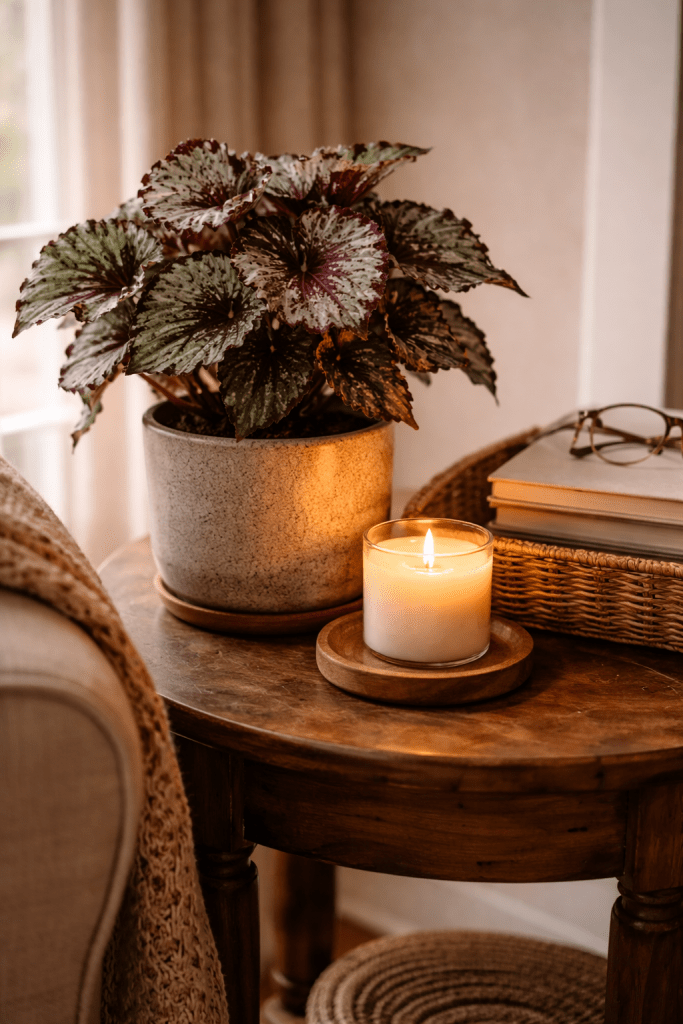
Winter can make homes feel still and quiet in ways that aren’t always peaceful.
Adding small signs of life helps:
- Evergreen branches
- A simple houseplant
- Candles (even unlit, they add warmth visually)
These don’t need to be seasonal decorations—just reminders that life continues even in the cold months.
Allow Your Home to Be Slower
Perhaps the most important thing is this:
Winter homes aren’t meant to feel busy or bright all the time.
They are meant to feel:
- Steady
- Sheltering
- Restful
Let rooms be quieter. Let days move more slowly. Let your home reflect the season rather than fighting against it.
Warmth isn’t only about temperature—it’s about permission to rest.
TL;DR
When winter drags on, warmth comes from light, texture, routine, and gentleness, not big changes. Small shifts—lamps, throws, warm food, and slower rhythms—can make your home feel inviting even on the coldest days.

 Simple Home Picks
Leave a comment